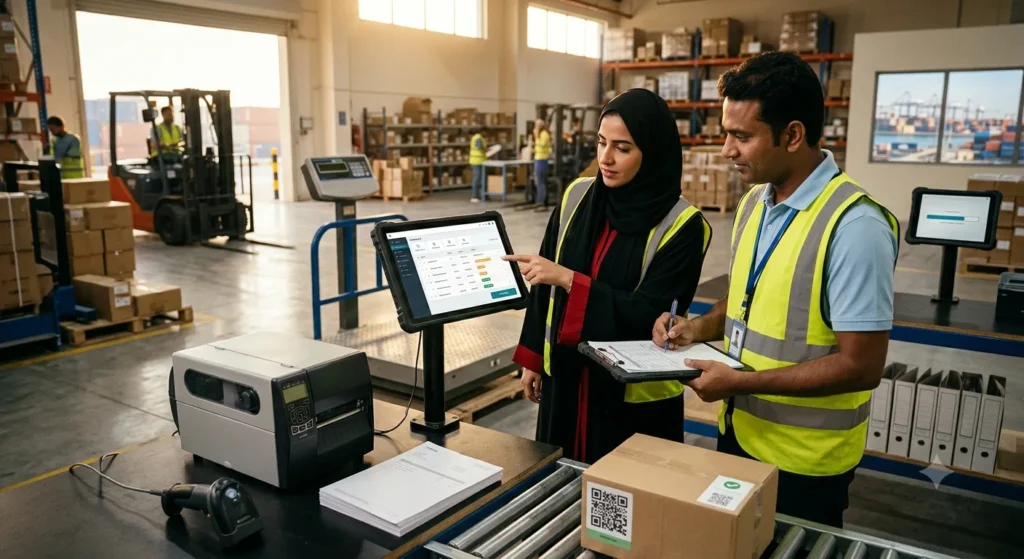
E Invoicing: How ADSONZ Business Studio Simplifies Digital Invoice Management

Businesses operating in the UAE must manage several financial and administrative responsibilities. From preparing invoices and maintaining transaction records to meeting tax requirements, every process needs proper attention.

As regulations evolve, traditional invoicing methods may no longer meet the requirements businesses need to follow. Companies must understand how digital invoicing works, what changes are expected, and how to prepare their existing systems.

This is where understanding e invoicing becomes important. ADSONZ Business Studio helps businesses explore digital business solutions and prepare for changing compliance requirements with greater clarity.

e invoicing
Why Businesses Need to Prepare for E Invoicing 

E invoicing is changing how businesses manage billing, financial records and invoice exchanges. Companies should review their digital systems, understand electronic invoice requirements and prepare their teams for the transition.

Key areas to consider:

  • Digital Readiness: Check whether existing software supports electronic invoicing.

  • Invoice Accuracy: Maintain correct customer, supplier and transaction details.

  • Online Processing: Understand how invoices can be created, shared and stored digitally.

  • System Integration: Review accounting software and ERP compatibility.

  • Staff Awareness: Prepare finance teams for digital invoicing workflows.

How can businesses prepare?

Businesses can start by reviewing their current invoicing methods, identifying technology gaps and understanding the expected UAE compliance requirements. Early preparation can make the transition to digital invoicing more organised and manageable.

ADSONZ Business Studio helps businesses understand digital business requirements and prepare for changing invoicing practices.


Benefits of Adopting E Invoicing for UAE Businesses

Adopting e invoicing can help businesses improve financial organisation, simplify billing activities and manage digital transaction records. Moving towards electronic invoice systems also creates opportunities to reduce repetitive administrative tasks and improve information accessibility.

Key Benefits of Digital Invoicing

  • Faster Invoice Management: Online invoicing helps businesses create, share and organise billing documents digitally.

  • Reduced Paperwork: Electronic invoice records reduce dependence on printed documents and physical storage.

  • Improved Accuracy: Digital processes can minimise manual data entry and common billing mistakes.

  • Easy Record Access: An e invoice portal can help authorised users retrieve invoice information when needed.

  • Better Financial Tracking: Digital invoicing supports organised payment monitoring and transaction reviews.

  • Simplified Communication: Sending invoices through email makes document exchange convenient for businesses and customers.

Choosing the Right Digital Approach

Businesses should evaluate their accounting requirements, software compatibility and transaction volumes before selecting an electronic invoicing solution. Understanding the e invoicing process can help organisations prepare for the transition.

ADSONZ Business Studio helps businesses understand digital business requirements and explore suitable solutions for managing their changing financial workflows.

 
Why Choose ADSONZ Business Studio for E Invoicing ?

E invoicing preparation requires suitable digital systems, organised financial records and an understanding of electronic billing requirements. ADSONZ Business Studio helps businesses explore digital solutions and prepare for changing invoicing practices.

What makes ADSONZ Business Studio a suitable choice?

  • Business Guidance: Understand digital invoicing requirements.

  • Practical Solutions: Explore suitable online invoicing approaches.

  • Digital Readiness: Learn about electronic invoice systems and integration.

  • Business Support: Prepare for changing financial workflows.

Businesses can also learn about e invoice meaning, digital invoice meaning, e invoice online, e invoice download, e invoice Excel download, e invoice portal, e invoice website and the e invoicing process.

Prepare Today. Simplify Tomorrow. Grow with ADSONZ Business Studio.


# E Invoicing: A Complete Guide to Digital Invoice Management for Businesses Businesses are increasingly moving towards digital systems to manage financial operations, improve documentation and simplify everyday administrative tasks. Invoicing is an important part of this transformation because every organisation needs an organised method to prepare bills, record transactions and communicate payment details. Traditional paper-based methods can become difficult to manage when businesses handle multiple customers, suppliers and transactions. E invoicing provides a digital approach that helps organisations create, exchange, process and maintain invoice information more efficiently. For UAE businesses, understanding electronic billing is also important when preparing for the country's upcoming digital tax transformation. ADSONZ Business Studio helps businesses understand digital business requirements and explore practical approaches to improving their financial workflows. ## Understanding the Meaning of Digital Invoicing Many businesses search for information about e invoice systems before deciding how to update their existing billing practices. The basic e invoice meaning refers to an invoice created, transmitted and received electronically in a structured format that allows computer systems to process its information. The digital invoice meaning goes beyond simply converting a printed document into a PDF. A genuine electronic invoice contains organised transaction data that compatible software can read and exchange. For example, an electronic invoice may contain the seller's details, buyer information, invoice number, issue date, description of goods or services, quantities, taxable values and applicable VAT information. These details help businesses maintain consistent financial records and support invoice verification. An electronic invoice is different from an ordinary scanned document because its information follows a structured digital format. Understanding all about e invoice documentation helps organisations recognise the difference between electronic records and traditional billing files. ## How Does the E Invoicing Process Work? The e invoicing process involves several connected activities that allow invoice information to move between businesses through compatible digital systems. Instead of preparing every document manually, all about e invoice organisations can use accounting software and approved service providers to manage invoice data. The general process includes: 1. Invoice Preparation: The supplier enters transaction details, including customer information, product descriptions, quantities and applicable taxes. 2. Data Validation: The system checks whether required invoice information is complete and follows the applicable technical format. 3. Electronic Transmission: Invoice information is transmitted through the required digital infrastructure or service provider. 4. Invoice Reception: The buyer receives the electronic invoice through a compatible system. 5. Record Management: Both parties maintain invoice information for accounting, reconciliation and reporting purposes. This process helps reduce repetitive administrative activities and makes transaction information easier to retrieve. However, the exact technical workflow depends on the applicable UAE regulatory framework and the approved service provider. ## Important Features of an Electronic Invoice A properly prepared invoice contains information that helps suppliers and customers identify and verify a transaction. Businesses should understand these essential components before adopting digital billing systems. - Invoice Identification: Every invoice should have a unique reference number for identification and tracking. - Supplier Information: Business name, registration details and relevant contact information identify the issuing organisation. - Customer Details: Buyer information helps connect the invoice with the correct customer account. - Transaction Description: Product or service descriptions explain what the customer has purchased. - Financial Information: Quantities, unit prices, taxable amounts and applicable VAT provide transaction details. - Invoice Date: The issue date helps businesses organise financial periods and payment schedules. - Digital Data Format: Structured information allows compatible systems to process invoice records electronically. These details also provide a useful electronic invoice example for businesses learning how digital billing documents are organised. ## Digital Invoicing and Traditional Billing: What Is the Difference? Traditional invoicing generally depends on printed documents, manual preparation and physical storage. Digital invoicing uses electronic systems to create, transmit and organise transaction information. | Comparison Factor | Traditional Invoicing | Digital Invoicing | | -------------------- | -------------------------- | --------------------------- | | Invoice Creation | Manual preparation | Software-based preparation | | Document Format | Paper documents | Structured electronic data | | Information Exchange | Physical delivery or email | Digital system transmission | | Record Storage | Physical files | Electronic records | | Invoice Tracking | Manual follow-up | Digital tracking features | | Data Processing | Repeated manual entry | Automated data processing | | Record Retrieval | Requires searching files | Searchable digital records | The main difference is how invoice information is created, exchanged and processed. A PDF attachment alone does not necessarily qualify as a compliant structured electronic invoice under UAE requirements. ## Can Businesses Create and Download Invoices Online? Businesses often look for an e invoice online solution that makes invoice preparation and record management easier. Depending on the software, users can create invoices, review transaction details, share documents and maintain electronic copies. An e invoice download option may allow users to save invoice records for internal accounting and documentation. Some platforms also support an e invoice Excel download feature, which helps businesses organise transaction information in spreadsheet form. However, downloading an invoice as an Excel file does not automatically make it a compliant electronic invoice. The required structured format and transmission method must still meet applicable regulations. An e invoice portal may provide access to invoice submission, exchange and tracking features. Businesses should check whether an e invoice website belongs to an approved service provider before entering sensitive financial information. ## Online Invoicing for Different Business Activities Different industries have different billing requirements. Retailers, wholesalers, service providers and online businesses may process invoices in different ways depending on their customers and transaction volumes. Online invoicing helps organisations manage billing activities through internet-connected software rather than relying entirely on paper documents. Businesses can maintain customer records, prepare transaction details and monitor payment information through a central system. For ecommerce companies, an ecommerce invoice supports the documentation of online purchases, product descriptions, order references and payment details. As online sales increase, organised invoice management becomes important for coordinating customer orders and financial records. Some businesses also search for e invoices online platforms that provide invoice creation, storage and exchange features. Before choosing a system, organisations should examine its security, data export options, integration capabilities and compatibility with UAE requirements. An online invoicing portal can provide centralised access to billing information, helping authorised employees manage invoice-related activities from different locations. ## Can Businesses Use Free E Invoice Software? A free e invoice tool may be useful for businesses exploring digital billing options or testing basic invoice creation features. Some free platforms provide templates, customer records and downloadable documents. However, businesses should not assume that every free tool meets mandatory UAE e-invoicing requirements. They should check whether the platform supports the required structured invoice format, approved transmission procedures, data security and integration with the relevant service provider. When evaluating software, consider: - Compatibility with existing accounting systems. - Support for applicable UAE invoice requirements. - Secure storage and access controls. - Ability to manage customer and supplier information. - Integration with financial and enterprise software. - Availability of technical assistance. Selecting a system based only on price may create difficulties later if it cannot support the organisation's actual invoicing needs. ## Is Sending Invoices Through Email Enough? Many organisations currently rely on sending invoices through email because it is convenient for sharing billing documents with customers. Businesses can attach PDF files, provide payment details and maintain email records for communication. However, ordinary email delivery is not the same as regulatory e-invoicing. A PDF sent through email may be useful for customer communication, but it does not automatically meet the structured electronic invoice requirements introduced under the UAE framework. Businesses should understand the difference between sharing a readable invoice and transmitting structured invoice data through the required digital infrastructure. ## What Should UAE Businesses Consider Before Implementation? Preparing for digital invoicing requires businesses to review their current financial operations and technology. Organisations should identify potential gaps before selecting an implementation approach. 1\. Review Existing Accounting Software Check whether the current accounting or ERP platform can support structured invoice data and connect with an approved service provider. 2\. Organise Financial Information Maintain accurate supplier details, customer records, transaction descriptions and tax information. Consistent data helps reduce invoice preparation errors. 3\. Understand Applicable Requirements Review the UAE e-invoicing framework, implementation timelines, business eligibility and relevant reporting responsibilities. 4\. Prepare Employees Finance and accounts teams should understand the updated billing procedures, document handling and responsibilities involved in digital invoice management. 5\. Test the System Before implementation, test invoice creation, data transmission, validation and record retrieval to identify possible technical issues. Early preparation gives businesses time to address operational challenges without making rushed technology decisions. ## How Does ADSONZ Business Studio Support Digital Business Preparation? The transition towards digital business operations requires organisations to understand changing requirements and evaluate their existing processes. ADSONZ Business Studio helps businesses explore digital business solutions and improve their understanding of technology-driven operations. From reviewing existing workflows to identifying areas that may require improvement, businesses can approach digital transformation with better preparation. Understanding invoice management, financial documentation and software compatibility can also help organisations make informed decisions. Whether a company is a startup, small enterprise or established organisation, preparing for digital changes requires a practical approach based on its operational needs. Prepare Today. Simplify Tomorrow. Grow with ADSONZ Business Studio.

about e invoice

What Are the Key Differences Between Traditional Invoicing and E Invoicing?

Comparison Factor

Traditional Invoicing

E Invoicing

Invoice Format

Paper or PDF documents

Structured digital data

Invoice Creation

Manual preparation

Digital system-based creation

Delivery

Physical post or email

Electronic exchange

Record Storage

Physical files or folders

Digital storage

Data Entry

Often requires manual entry

Supports automated data processing

Invoice Tracking

Manual follow-up

Digital tracking capabilities

Accessibility

Depends on physical or saved copies

Accessible through digital systems


What Is E-Invoicing and Do I Really Need It?

E-invoicing is the process of creating and exchanging invoices in a structured digital format. UAE businesses should understand applicable requirements and check whether their turnover and business activities make mandatory e-invoicing relevant to them.

Am I Exempt from E-Invoicing Requirements?

Some UAE business transactions are excluded from e-invoicing, including specified sovereign government activities, certain airline services and qualifying exempt financial services. Other businesses should check their eligibility under Ministry of Finance guidelines before assuming they are exempt.

How to Switch from Paper Invoices to E-Invoicing?

To switch from paper invoices to e-invoicing, businesses should review their current billing systems, organise invoice data, select a UAE-accredited service provider, complete system integration and test digital invoice exchange before going live.

What Happens If I Don't Comply with E-Invoicing Rules?

Businesses that fail to comply with UAE e-invoicing requirements may face administrative penalties. Under the updated October 2026 rules, implementation violations can attract AED 5,000 initially, followed by monthly fines, capped at AED 50,000 within 12 consecutive months.

How Does E-Invoicing Reduce Errors in Billing?

E-invoicing reduces billing errors by automating invoice creation, validating required information and minimising manual data entry. Structured digital records also help businesses identify missing details, avoid duplicate entries and maintain more accurate financial documentation.

What Documents Count as E-Invoices?

In the UAE, an e-invoice is a structured electronic invoice issued, transmitted and received through the approved e-invoicing system. XML-based electronic invoices and electronic credit notes qualify, while ordinary PDFs, scanned copies, Word documents and emailed invoices do not qualify as e-invoices.

How E-Invoicing Helps with Government Tax Audits ?

E-invoicing helps government tax audits by providing structured digital invoice records that can be validated and reported to the Federal Tax Authority (FTA). This improves transaction visibility, supports accurate tax reporting and helps authorities identify discrepancies and potential VAT irregularities.

Leave a Reply

Your email address will not be published. Required fields are marked *

Comments

  1. ADSONZ Business Studio helped us understand about e invoice and how digital invoicing can simplify business billing. Their guidance made the process easier to understand and helped us prepare for the shift towards electronic invoicing.